I Put Sex on the Calendar Every Week for 30 Days. My Husband Thought It Was a Joke.
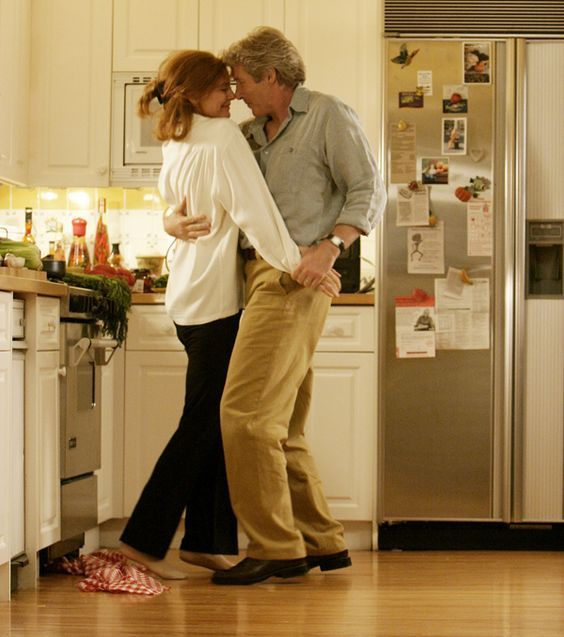
I am a planner by nature. I plan meals, vacations, the logistics of raising two children in a house with two demanding careers. I did not, until recently, plan intimacy — and I held onto that distinction with more conviction than I'd realized, as if keeping it off the calendar was the last proof that my marriage still had some spontaneity left in it.
The idea came from a therapist friend who mentioned, almost in passing, that the couples she sees with the healthiest long-term intimate lives almost universally have some version of intentionality around it — not obligation, not performance, but deliberate prioritization. I smiled and changed the subject, the way you do when someone says something true that you're not ready to sit with yet.
Three weeks later, still thinking about it, I opened my husband's shared calendar and added a recurring Wednesday evening block. No title. He texted me within the hour: Is this a joke?
It was not a joke. And what happened over the next 30 days quietly rearranged some things I thought I understood about our marriage.
"37%. That's the share of Americans reporting weekly sex in 2024 — down from 55% just one generation ago, in 1990. We are, by every measure, in an intimacy drought, and long-term couples are far from immune."
Why Scheduling Felt Like Giving Up
I think the resistance most of us feel toward intentional intimacy comes from a story we've absorbed so deeply it feels like instinct: that real desire is spontaneous, and that anything requiring effort is somehow less than. That if you have to plan it, the wanting must already be gone.
What nobody told me — what I had to learn sideways, through a therapist's offhand comment and my own stubborn experiment — is that spontaneous desire and intentional desire produce identical results. Your nervous system does not know the difference. Your marriage does not know the difference. The only thing that knows the difference is the romantic mythology you've been carrying around since your twenties.
"Scheduling intimacy doesn't mean the spark is gone. It means you've decided the spark is worth protecting."
What Actually Happened, Week by Week
Week One — "This is awkward and we both know it."
Wednesday arrived and we were both very aware of Wednesday. There was a self-consciousness to it that felt clinical in the exact way I'd feared. We laughed about it afterward, which, in retrospect, was its own kind of closeness — two people doing something slightly uncomfortable together and finding it funny rather than humiliating.
Week Two — "I noticed I'd been thinking about it since Monday."
Something unexpected: low-grade anticipation. Not urgency, nothing dramatic. More like the feeling of knowing you have a dinner reservation somewhere you actually want to go. My husband mentioned it first: I've been kind of looking forward to this all week. So had I, quietly, without realizing I was doing it.
Week Three — "We started reaching for each other outside of Wednesday."
This was the part I didn't see coming. The deliberate Wednesday wasn't just happening in isolation — it seemed to warm something that then carried into the rest of the week. My husband was more physically affectionate in small ways. So was I. The Wednesday block had become a container that made the rest of the week feel different, even when nothing else changed.
Week Four — "I stopped thinking of it as scheduled and started thinking of it as ours."
By the end of the month, Wednesday had stopped feeling like an item on a task list and had started feeling like a ritual — something we'd built together, quietly and without ceremony, that belonged to us in the way that small marriage rituals accumulate meaning over time. My husband asked if we were keeping it. We were.
The Part Nobody Wants to Admit
The couples who are thriving in long marriages — the ones you look at and genuinely wonder what they know that you don't — are almost never the ones who have preserved some mythologized spontaneity at the expense of actual closeness. They're the ones who figured out, somewhere along the way, that a beautiful marriage is not a feeling that maintains itself. It is, in the most practical and loving sense, a practice.
That is not a lesser version of romance. It is, I'd argue, a more honest and sustainable one — the kind that holds up through the years when life gets heavy and the calendar fills up and intimacy can quietly become the thing that always gets moved to next week.
Next week never arrives unless you put it somewhere.
"The couples who seem most connected after decades together almost never stumbled into it. They decided, over and over, to choose each other — including on the Wednesdays when choosing required a little more intention than it used to."
What Helped Us Get There
A few things made the difference between a Wednesday that felt like homework and one that felt like something worth protecting. Mostly: removing the small frictions that quietly accumulate in a long relationship without either partner ever naming them out loud.
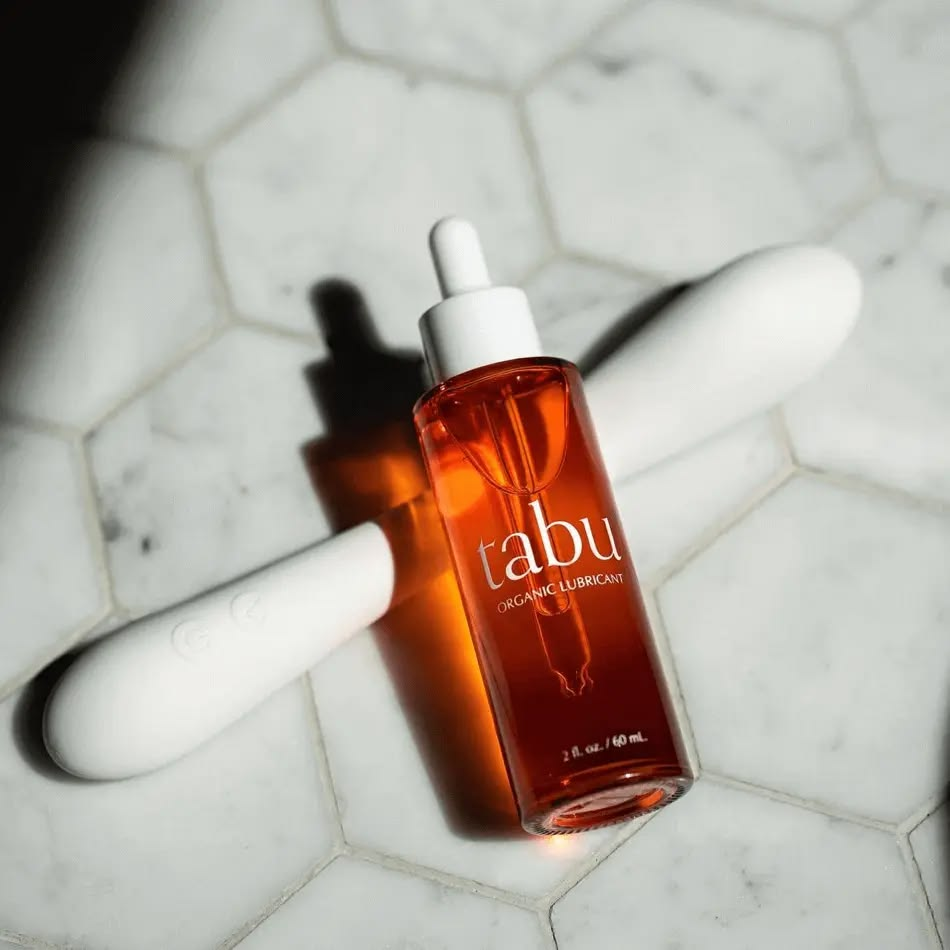
One of them, embarrassingly practical: lubrication. Hormonal shifts, medications, stress — any of these can affect your body's natural response, and working around that without addressing it directly is the kind of thing that makes intimacy feel like more effort than it needs to be. Tabu's Aureum Organic Lubricant was something a friend mentioned and I finally tried — body-safe, beautifully formulated, and the kind of thing that makes you wonder why you waited so long to just deal with it directly. Small change. Real difference. If you and your husband have been quietly working around the same kind of friction, this is worth trying.
A Closing Thought
My husband still teases me about the calendar block. He brings it up with friends, with the knowing laugh of someone recounting a story that ended better than he expected. She put it on the calendar, he says, and everyone laughs, and then someone's wife leans in a little and asks, quietly, how it went.
Every time, I tell them the truth: it went well. It went better than I expected, and it kept going, and somewhere in the middle of a very ordinary October it became one of the better decisions I've made for this marriage in years. Not because it saved anything that was broken. Because it protected something that wasn't — and that is, in a long marriage, often the more important job.